You have no products in the cart.
Best Indoor Wheelchair Alternatives
- 2025-01-13
- Reading time: 9 min.

Table of Contents
Why Might Mobility-Challenged Individuals Seek Wheelchair Alternatives?
Millions of elderly and disabled Americans have limited mobility1, requiring them to seek ways to navigate their homes and manage their daily routines. As one possible solution, traditional wheelchairs have long been a staple for those seeking mobility assistance. However, wheelchairs have several limitations, notably when used inside the home. Thankfully, wheelchair alternatives are now available to help users with mobility challenges lead more active and fulfilling lives.
For starters, wheelchairs occupy considerable space, making negotiating tight spaces, such as hallways, kitchens, and doorways difficult. They can also be cumbersome to use for routine tasks like cooking, cleaning, or reaching for items, reducing a user’s independence and quality of life. Additionally, wheelchairs offer little sit-to-stand assistance, which can be unsafe for individuals with diminished leg strength.
Furthermore, manual wheelchairs can be uncomfortable, labor-intensive, or even dangerous to operate for those with chronic conditions2, low energy levels, or poor balance3, forcing them to put off essential tasks around the home.

Walkers and Rollators: Popular Indoor Wheelchair Alternatives
Fortunately, there are several wheelchair alternatives designed for indoor use. These aging in place products offer enhanced mobility and convenience for elderly and disabled users. In contrast to the large variety of chairs for disabled users, walkers and rollators are two of the more popular options offering mobility.
Walkers
As a traditional mobility aid, a walker provides stability and support for individuals who may struggle with balance or low energy. Most walkers consist of a lightweight frame with four legs and handgrips to assist users in maintaining an upright posture. The main benefit of using a walker around the home is that it encourages users to engage their legs while walking, promoting strength and mobility. Many walkers have special features, such as foldable designs for ease of storage and built-in seats for rest breaks.
Conversely, walkers have limitations when used indoors. They can be challenging to maneuver in tight spaces. Additionally, users must lift the walker slightly with each step, which may be exhausting for those with low energy or diminished leg strength. Furthermore, some walkers lack the capacity to carry items, forcing users to make multiple trips to perform essential tasks, such as laundry or putting away groceries.
Rollators
As an alternative to walker products, a rollator has wheels on each leg, allowing for smoother movement. These mobility aids often come with ergonomic hand grips, a built-in seat for resting, and a storage basket for carrying personal items. Rollators are easy to operate and highly supportive, allowing users to glide around without exerting a lot of energy. These features make them notably advantageous for traveling short distances inside the home or moving from room to room.
Despite their advantages, rollators also have limitations. Their wheels can make them less stable than traditional walkers, especially on uneven surfaces or carpets. Additionally, the built-in seat may encourage prolonged sitting instead of movement, which can be detrimental for users who need to exercise their legs. Rollators can also be bulky, making them harder to operate in smaller homes, cluttered spaces, or rooms with intricate layouts.

Ready to Take Back Control of Your Mobility?
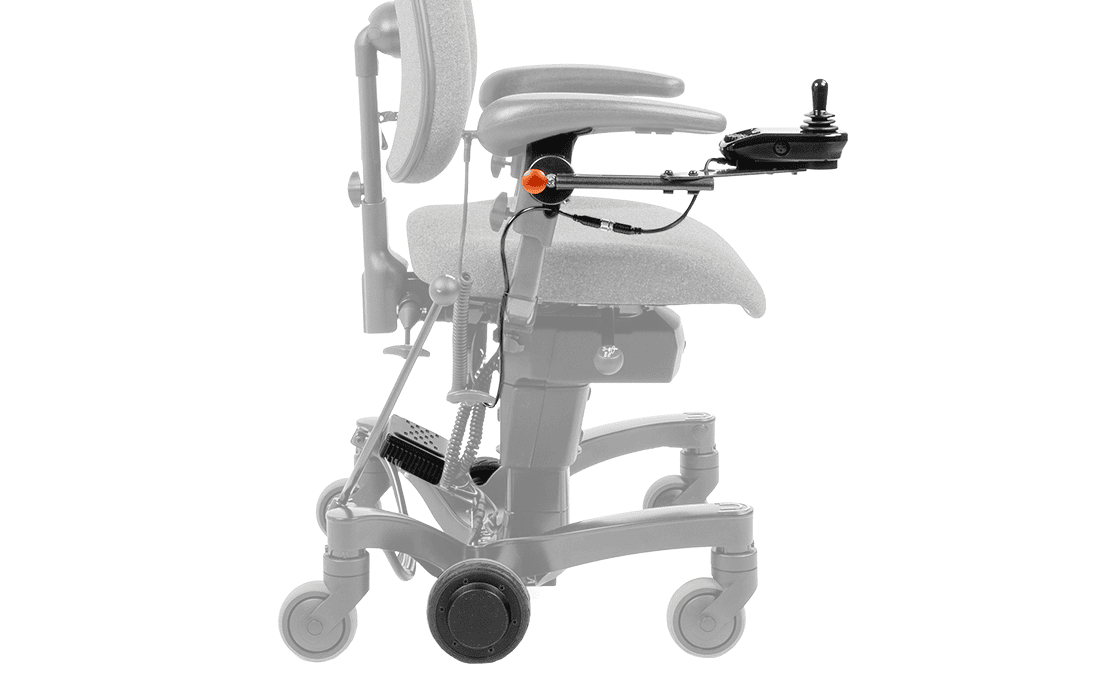
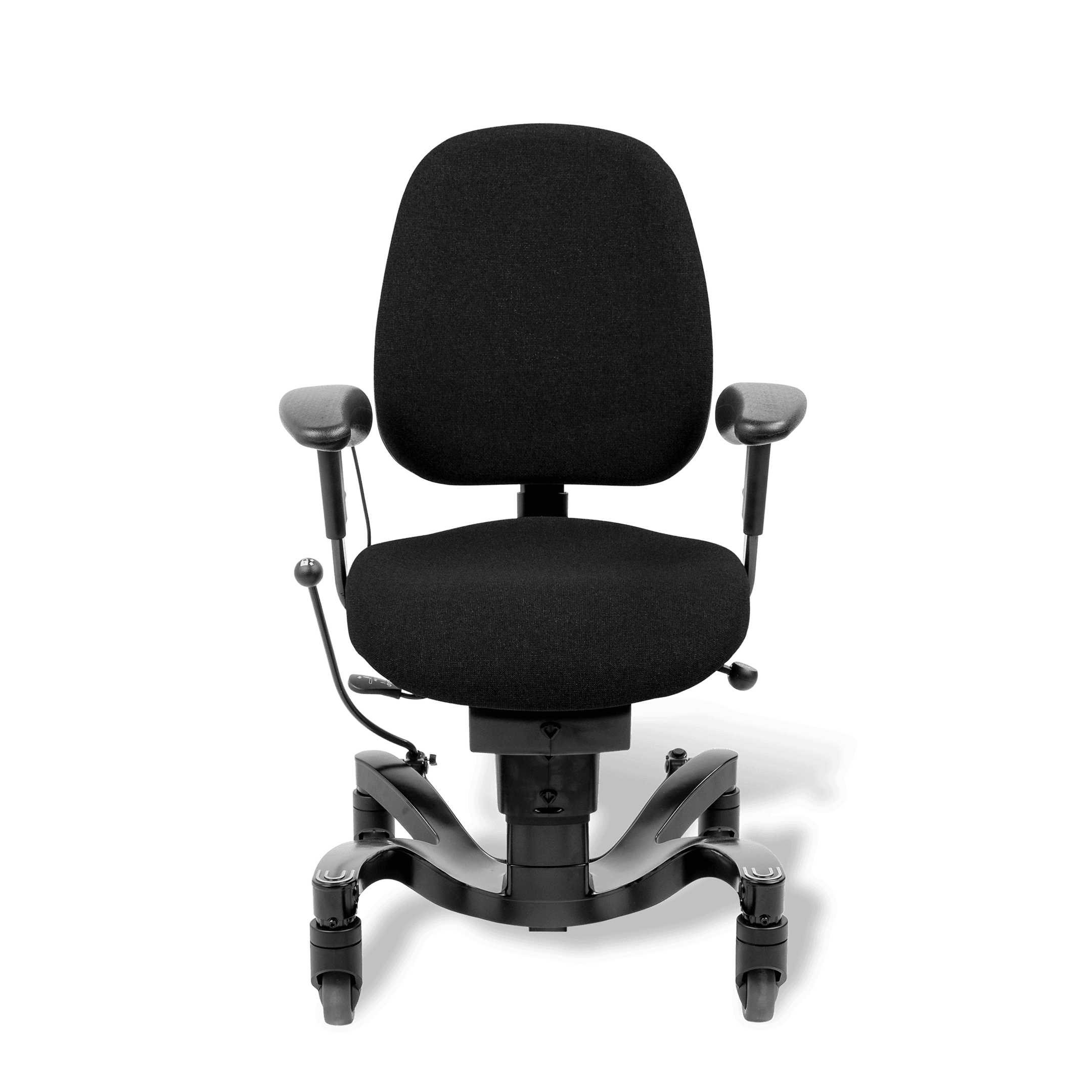
As a unique wheelchair alternative elderly and disabled individuals can use to reclaim their dignity and self-reliance, the VELA Independence Chair with Power Wheels has forever raised the bar on what a mobility aid should be.
Are you ready to take back control of your mobility? Streamline your daily routine and reclaim your dignity and independence with the innovative VELA Independence Chair with Power Wheels. Learn more by clicking the chair below!
We Speak by Experience
All content draws upon more than 50 years of development and experience with VELA Chairs, encompassing the sale of over 500,000 chairs worldwide. This page has been created in partnership with the author.